Matthew Marshall, associate director of marketing & sales operations at Ruiz Foods, shares his thoughts and insights on how changing consumer behaviors, product innovation, and fresh merchandising strategies are reshaping the future of C-store foodservice.
When you look at the next 3–5 years, what feels like the biggest shift coming to C-store foodservice?
It’s fun being involved in what appears to be one of the largest shifts in C-store history: the evolution of foodservice programs. It stems from consumers demanding quality and value no matter the foodservice segment, and convenience stores are adapting to compete. All channels are implementing strategies that build and keep consumer traffic coming into their stores. C-stores are repositioning from a “grab-and-go” mindset to becoming true destination occasions.
Consumers are expecting restaurant quality with the speed and accessibility that define the C-store channel. Over the next few years, I see operators leaning into differentiated menu platforms, elevated food and condiment offerings, plus equipment innovations that allow them to scale fresh, hot, and craveable items without adding complexity. Building made-to-order programs is likely too complicated for most — but they can still deliver high quality food that’s elevated to similar levels of made-to-order through customization and differentiated food offerings.
What can operators do now to be ready?
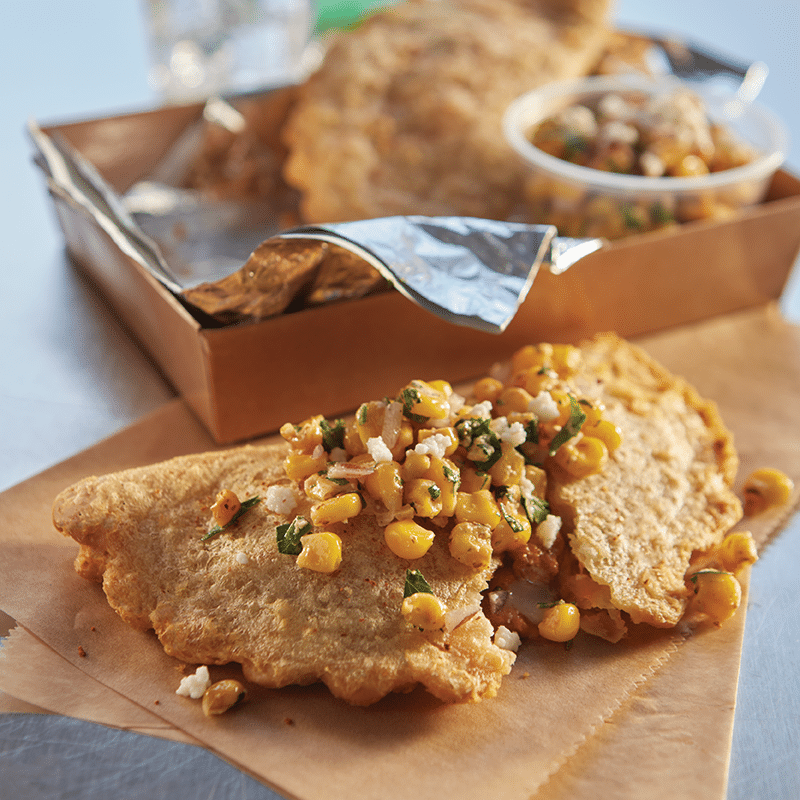
Operators can start by building flexible frameworks rather than rigid menus. That means investing in equipment and processes that can handle multiple dayparts, limited-time-offers, and bundled promotions without straining labor. It also means strengthening partnerships with suppliers who can deliver turnkey solutions, consumer insights, and data-backed assortment recommendations — so stores are ready to pivot quickly as consumer expectations evolve. Operators can leverage the power of national brands, like Tornados® and El Monterey® that can help build credibility and trust with loyal consumers.
What emerging consumer behaviors do you think will have the biggest impact on how operators build their programs?
Two behaviors stand out to me: the rise of “value-plus” expectations and the digital age of consumer discovery of C-store foodservice offerings.
Shoppers want value, which is more complicated than just the overall price point. The most important attribute of value is the quality of the food. First and foremost, C-store food must taste good!
Digital engagement is shaping how consumers discover and evaluate foodservice. Loyalty apps, mobile ordering, and personalized offers are no longer optional; they’re becoming the lens through which consumers decide whether a C-store program is relevant to them.
How do you see the role of foodservice evolving within the broader C-store business model?
Foodservice is no longer just an add-on; it’s becoming the anchor that drives traffic and defines brand identity — plus a successful program can be a primary profit driver for operators. Fuel and packaged goods are transactional, but foodservice can create lasting connections. When a store is known for a signature item, a reliable meal solution, or a consistent and trustworthy location for quick, delicious snacks/meals, it shifts from being a stop of convenience to a preferred destination. That’s a powerful lever for differentiation in a crowded market.
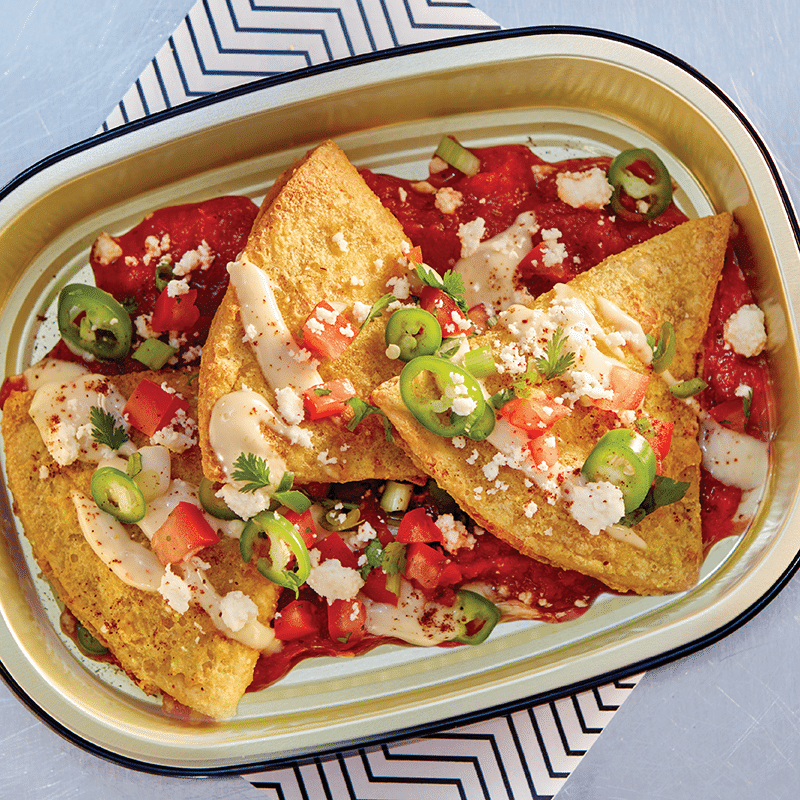
Check out C-store recipe ideas to boost your menu here.

What role do bundles or meal deals play in driving value and traffic?
Bundles are critical because they solve two problems at once: they deliver perceived value to the consumer, and they simplify decision making. A well-designed meal deal can increase basket size, drive repeat visits, and highlight signature items.
The key is to make bundles feel curated rather than generic — pairing items that reinforce the brand’s food identity, not just discounting whatever’s available. We have seen success when operators leverage bundles with high affinity items, like Tornados® and energy drinks, to motivate consumers to build a higher basket ring.
See more about how combos help you compete with QSRs.
How is the labor landscape shaping the kinds of products and equipment that succeed in C-stores?
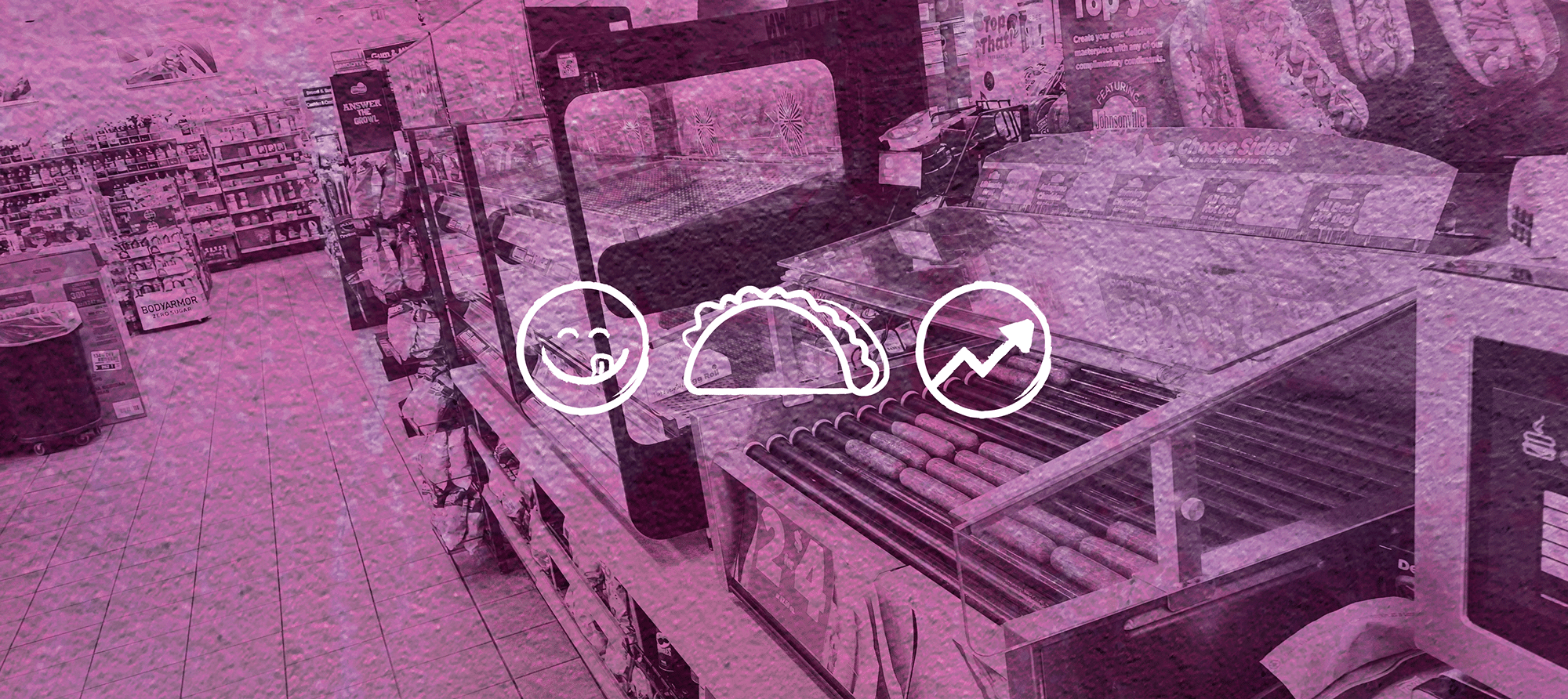
The labor challenge is reshaping the kinds of products and equipment that thrive in C-stores. Simplicity and consistency are paramount. Roller grills, for example, remain consumer-preferred heroes because they deliver hot, craveable food with minimal labor and predictable quality.
The future will favor solutions that reduce touchpoints, automate prep, and allow staff to focus on customer engagement rather than complex cooking. Equipment that can multitask across dayparts will be especially valuable. At Ruiz Foods, our manufacturing facilities are built to bring value to operators by making delicious, prepared food that is simple to cook, serve, and hold, alleviating pressure on the store staff and making it easy to keep product out during peak hours.
When you talk with industry leaders, what themes keep coming up?
DIFFERENTIATION
How do we stand out in a sea of sameness? Operators are endeavoring to offer new, unique items that can only be found at their stores.
LABOR EFFICIENCY
How do we deliver quality without overburdening staff? To be successful, operators need to deliver the very best quality food items while doing it within their current footprint and labor guardrails.
CONSUMER TRAFFIC
How do we build loyalty through trust, consistency, and digital engagement? Across the board, leaders are focused on meeting customers where they are by offering reliable favorites, convenient ordering, and reasons to return again and again.
As the channel continues to blur the lines between convenience and QSR experiences, C-store foodservice is stepping into a new era. Operators who embrace these shifts will be positioned not only to meet demand but to set new expectations for what C-store dining can be. Continue exploring these ideas and access resources that can help you build toward that future with our Foodservice Forward white paper and more. It’s your hub for insights, tools, and advice that can help your locations become true food and beverage destinations.